A Comprehensive Guide to Trapezius Botox Side Effects: 7 Things You Must Know Before the Procedure
Updated: 2026-05-29
Table of Contents
“Why do my shoulders look so hunched?”
This is one of the things I hear most often in the doctor's office.
For those who feel their shoulders are hunching and their back looks somewhat heavy in the mirror after sitting in front of a computer all day for desk work. For those who hesitate to wear off-shoulder dresses or slip dresses because their shoulder lines look thick. For those who want to create a more elegant neck and shoulder line ahead of a wedding or an important event.
There are many people who look into trapezius Botox treatments due to these concerns, but hesitate because of worries such as, "What if there are side effects?" or "Is it true that I lose strength in my arms?"
In this article, as the Chief Director of Mine Plastic Surgery, I will summarize the reality of trapezius Botox side effects I have personally witnessed in clinical practice, as well as the essential information you must know to receive the procedure safely. This article is part of the "View All Articles on Skin Procedures " category, and it is helpful to read it together with articles related to fillers and Botox in the same category.

Why Your Shoulder Line Feels Tight – Symptoms and Causes
What is the trapezius muscle?
The trapezius muscle is a broad, diamond-shaped muscle that extends from the back of the neck to the shoulders and the center of the back. It is a very important muscle that supports the head, raises and lowers the shoulders, and even assists in lifting the arms.
However, if the trapezius muscle is excessively developed or constantly tense , it visually gives the impression of raised shoulders and a short neck.
Main causes of trapezius muscle hypertrophy
- Prolonged sedentary lifestyle and poor posture : Repeatedly staring at a monitor with rounded shoulders leads to chronic tension in the trapezius muscles.
- Smartphone usage habits (forward head posture) : The further the head leans forward, the more weight the trapezius muscles have to support.
- Stress and lack of sleep : Autonomic nervous system imbalance causes the shoulder muscles to remain constantly stiff.
- Habit of carrying heavy bags on one side : Accelerates trapezius muscle development along with left-right asymmetry.
- Genetic factors : If the skeletal structure itself has narrow, rounded shoulders, even slight muscle development appears prominent.
The typical discomfort patients complain about
| cosmetic inconvenience | functional inconvenience |
|---|---|
| The shoulders look hunched, making the neck look short | Chronic shoulder and neck stiffness |
| The lines are dull when wearing the clothes | Accompanied by headaches and migraines |
| The pose in the photo is unnatural | Heaviness when raising the arm |
| Hanbok and dress do not fit well | My shoulders don't relax even after sleeping |
Director Lee Seong-wook's Key Points
Trapezius hypertrophy is not merely a cosmetic issue. Since the accumulation of chronic tension can lead to headaches and postural deformities, a diagnosis that considers both aesthetic and functional aspects is crucial.
Mine Plastic Surgery’s Trapezius Botox Procedure – Expert Solution
The principle of trapezius muscle Botox
Trapezius Botox is a procedure that involves precisely injecting botulinum toxin into the hypertrophied trapezius muscle to temporarily block nerve signals going to the muscle, thereby reducing muscle activity and gradually decreasing its volume.
If muscles are not used for a certain period, they naturally atrophy (volume reduction), and as a result, you can achieve the effect of the shoulder line dropping smoothly and the neck looking longer .
Mine Plastic Surgery Clinic's Procedure Approach
At Mine Plastic Surgery, we perform procedures as follows based on precise anatomical diagnosis .
- Diagnosis of individual muscle development : Going beyond simple visual inspection, we evaluate left-right asymmetry, muscle thickness, and fat layer thickness through palpation.
- Point-based volume distribution design : Instead of injecting a high volume into one spot, it is evenly distributed across multiple points to create natural lines.
- Avoidance of Danger Zones : Inject at a depth that precisely avoids the deep muscles associated with breathing and swallowing functions.
- Step-by-step effect management : We check the progress 2 to 3 weeks after the first procedure and decide on additional reinforcement if necessary.
People suitable for the procedure
- People who have a complex about their shoulders looking hunched
- For those suffering from discomfort due to chronic shoulder stiffness
- For those who need a clean décolleté line before a wedding or important event
- For those who feel that changes are slow with exercise or massage
People for whom the procedure is not recommended
- Pregnant or breastfeeding women
- People with neuromuscular diseases such as myasthenia gravis and ALS
- People with a botulinum toxin allergy
- Patients with infection or inflammation at the treatment site
Even with the same dosage, the results can vary completely depending on where and at what depth it is injected. For trapezius Botox, 'accuracy' is the key, rather than 'dosage'.
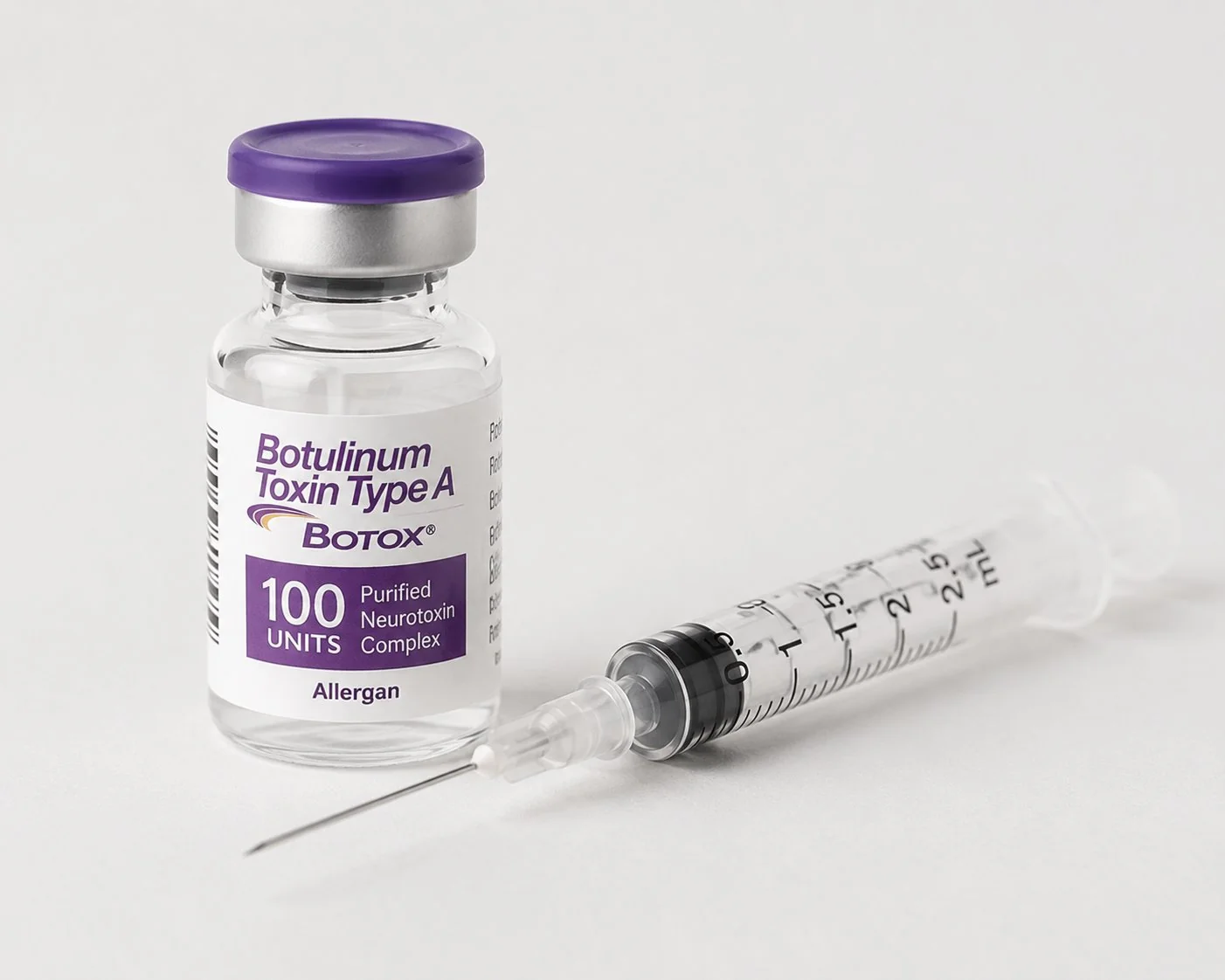
Must Know – Trapezius Botox Side Effects and Recovery Period (Must Check)
While trapezius Botox is a relatively safe procedure, as with all medical procedures , we cannot guarantee a 0% chance of side effects. Being fully informed before undergoing the treatment is the safest choice.
1. Common side effects (most disappear naturally within 1–2 weeks)
| side effect | Frequency | Duration | explanation |
|---|---|---|---|
| Pain and stiffness at the injection site | Very common | 2~5 days | Temporarily immediately after the procedure |
| Bruises and petechiae | common | 5~10 days | Capillary damage |
| fine swelling | common | 2~3 days | Immediately after the procedure |
| mild headache | sometimes | 1~3 days | Temporary |
| Heaviness and stiffness in the shoulders | common | 1~2 weeks | When Botox starts working |
2. Side effects to watch out for
- Temporary decrease in muscle strength : Between 2 and 4 weeks after the procedure, you may feel weaker than usual when lifting heavy objects. This is a normal effect of Botox, and you will adapt or recover over time.
- Postural Compensation : As the trapezius muscle weakens, other muscles (such as the levator scapulae and rhomboids) are used more, which may temporarily cause stiffness in other areas.
- Left-right asymmetry : Temporary asymmetry may be observed if the original muscle mass on the left and right sides differs or if the injection volume is uneven.
3. Rare but essential side effects you should be aware of
- Dysphagia (difficulty swallowing), breathing discomfort : Although very rare, this may occur if injected at an incorrect position or excessive depth.
- Voice change : Temporary voice changes have been reported.
- Allergic reactions : hives, rashes, etc.
Important : If you experience difficulty breathing, swallowing, or severe dizziness after the procedure, you must contact a medical institution immediately.
4. Recovery Period and Time of Effect Onset
| Point of view | change |
|---|---|
| Immediately after the procedure | Return to daily life possible (activities possible on the same day) |
| 3 to 7 days after the procedure | Effect begins (feeling of muscles losing strength) |
| 2~4 weeks after the procedure | Volume reduction begins, line change visualization |
| 1 to 2 months after the procedure | Maximum effect expression |
| 4 to 6 months after the procedure | Gradual decline in effectiveness, timing for re-treatment |
The academic community, including the Korean Society of Plastic and Reconstructive Surgeons, evaluates botulinum toxin as a drug with well-established safety when used within appropriate dosages. However, receiving the procedure from a specialist at a medical institution is the surest way to minimize side effects.
Most side effects are temporary and resolve naturally. However, to avoid 'rare side effects,' the most important factors are the practitioner's understanding of anatomy and experience. Never make a decision based solely on price or reviews.
Pre- and Post-Procedure Care Tips from Director Lee Seong-wook
There is one common misconception most frequently seen in clinical practice: the perception that "Botox is just a one-time injection and that's it." The results depend not immediately after the procedure, but on the following month .
Pre-procedure checklist
- Please temporarily stop taking supplements and medications that slow blood clotting, such as aspirin, Omega-3, and Vitamin E, starting one week before the procedure (be sure to consult your doctor about any prescribed medications).
- Please refrain from drinking alcohol for 24 hours prior to the procedure . Blood vessels expand, making you more prone to bruising.
- Please provide a complete list of your pre-existing medical conditions, medications, and allergy history during the consultation.
- If there is a possibility of pregnancy, please be sure to let us know in advance.
24-Hour Guide After Procedure
- Do not rub or massage the treated area . Botox may spread to unintended areas.
- Please avoid strenuous exercise, saunas, steam rooms, and alcohol on the day of the procedure.
- You can wash your hair or go out for a short walk.
- Please do not lie down for about 4 hours after the procedure, and if possible, sit upright.
Care for 1-2 weeks after the procedure
- Refrain from frequently lifting heavy loads or performing exercises that put a lot of strain on the shoulders (deadlifts, shrugs, etc.) for 1 to 2 weeks.
- Please do not work in the same posture for a long time, and stretch your shoulders once an hour.
- Evaluate the results after at least 2 to 4 weeks . Do not conclude after just one week that "it doesn't seem to be effective."
Lifestyle habits that maintain long-lasting effects
- Adjust the monitor height to eye level
- Do not carry a bag on only one shoulder
- Regular foam roller massage
- Sufficient sleep and stress management
In addition, if you wish to comprehensively refine your neck and jawlines along with improving your shoulder line, it is recommended that you also refer to information on neck wrinkle improvement procedures . If you require an accurate diagnosis before deciding on a procedure, please feel free to inquire through Mine Plastic Surgery's online consultation .
Half of the success of a Botox procedure depends on the doctor's hands, and the other half depends on the patient's post-procedure care.
Frequently Asked Questions (FAQ)
Q1. Does trapezius Botox last a lifetime after just one injection?
No. The effects of botulinum toxin last for an average of 4 to 6 months . As the procedure is repeated, the volume of the muscle itself gradually decreases, so the interval between re-treatments tends to lengthen as the number of sessions accumulates. Many people manage their condition by starting at intervals of 4 to 6 months, and then at intervals of 6 to 12 months thereafter.
Q2. If I lose strength in my arm after the procedure, will I be unable to exercise?
There is almost no hindrance to normal daily activities and light aerobic exercise. However , for 2 to 4 weeks after the procedure, exercises involving lifting heavy weights with the shoulders (such as shoulder presses and deadlifts) may feel weaker than usual. This is a temporary phenomenon, and you will adapt to daily activities over time.
Q3. I am trying to get pregnant; is it okay to have the procedure?
We do not recommend the procedure if you are planning to become pregnant or if there is a possibility of pregnancy. Since the safety of botulinum toxin for pregnant and breastfeeding women has not been sufficiently proven, it is safer to postpone the procedure until after childbirth and breastfeeding are complete if you are planning to become pregnant.
Q4. I got a bruise after the procedure. Is that okay?
The trapezius muscle area has a relatively high concentration of blood vessels, so pinpoint bruising may occur; in most cases, it disappears naturally within 5 to 10 days . Applying a cold compress within 48 hours of the procedure and a warm compress thereafter aids in recovery. If the bruising grows larger or the pain worsens, please contact the medical institution where you received the procedure.
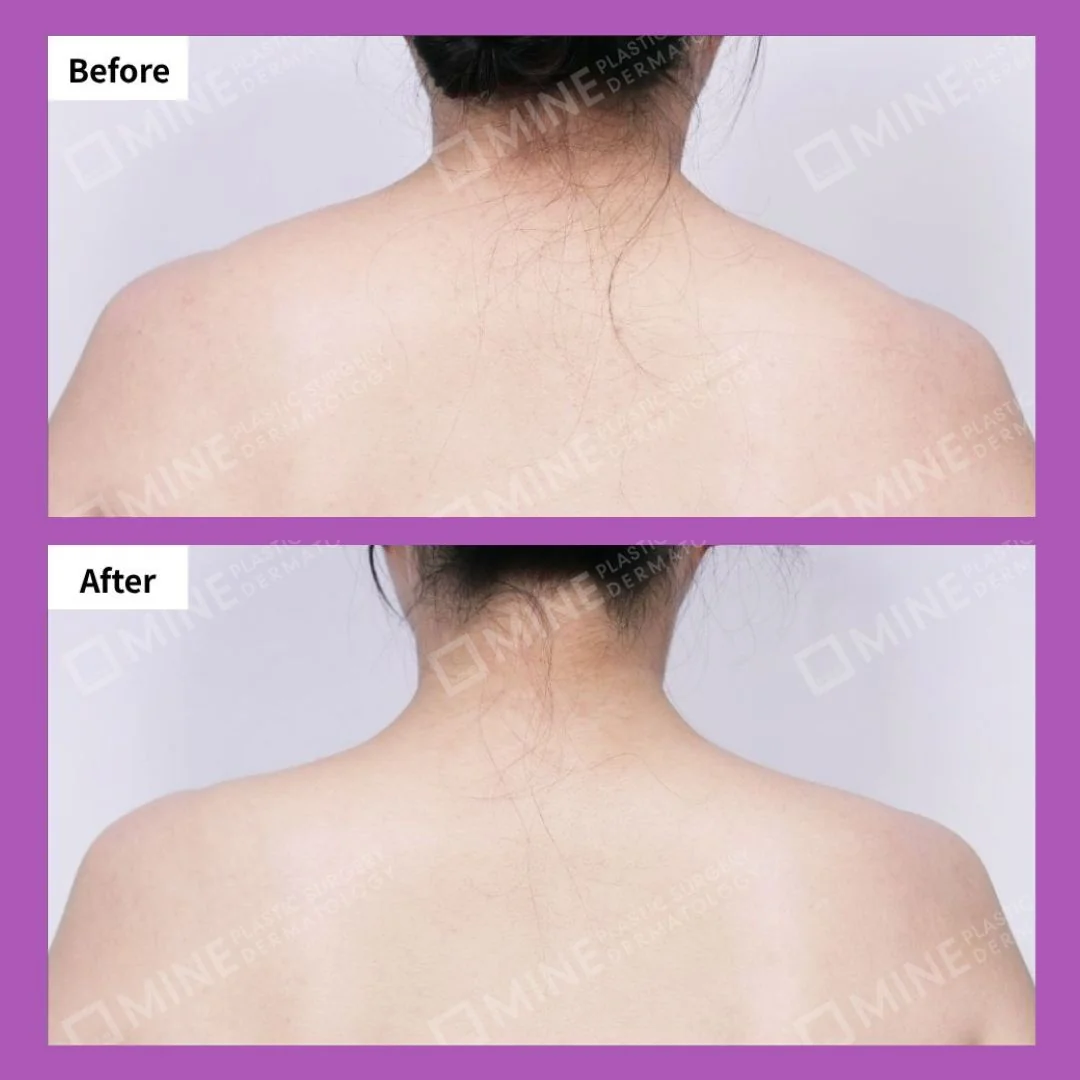
In conclusion – The beginning of a safe procedure is an accurate diagnosis.
Although trapezius Botox may appear to be a relatively simple procedure, accurate anatomical diagnosis and extensive clinical experience are essential to minimize side effects and achieve natural results .
This post contains general information, and the diagnosis and treatment plan may vary depending on individual muscle development, body type, posture habits, and pre-existing health conditions. We strongly recommend visiting Mine Plastic Surgery in person for an in-person consultation for an accurate diagnosis. Costs will be provided through a personalized consultation.
 If you would like a more detailed consultation, please feel free to contact us through the online consultation page or the reservation page . If you are curious about Mine Plastic Surgery's medical staff and system, you can check them on the medical staff introduction page.